
The Psychology of Gambling
The allure of casino games often lies in the psychological triggers they exploit. Many games are designed to stimulate the brain’s reward centers, releasing dopamine, a neurotransmitter associated with pleasure. When players experience even small wins, this chemical reaction reinforces their behavior, making them more likely to continue playing. This cycle of reward and reinforcement is akin to addiction pathways seen in substance abuse, tapping into the innate human desire for excitement and a rush of adrenaline. Additionally, players often explore various options, including popular betting sites australia , enhancing their gaming experience. The anticipation of winning can become a powerful motivator, compelling players to engage repeatedly with the game.
Moreover, the phenomenon of near misses plays a crucial role in sustaining interest in casino games. For instance, when a player is just one symbol away from a jackpot, the brain interprets this as a potential success, spurring them to try again. This psychological trick creates a sense of hope and encourages repetitive behavior, even in the absence of actual wins. The design of many games capitalizes on this near-miss effect, leading players to believe that victory is just within reach, effectively blurring the line between enjoyment and obsession.
Lastly, the overall ambiance of a casino significantly contributes to the addictive nature of these games. Bright lights, vibrant colors, and high-energy music are all strategically designed to captivate players. This sensory overload keeps individuals engaged, often leading to extended gaming sessions where players lose track of time. With each pull of the lever or spin of the wheel, players are drawn deeper into the thrill of the game, enhancing the overall experience and reinforcing compulsive behavior. The environment itself is a catalyst for addiction, creating a space where players feel both exhilarated and at home.
The Role of Rewards and Incentives
Casino games are meticulously designed to maximize player engagement through various reward systems. These rewards can be immediate, such as quick payouts from slot machines, or delayed, like the anticipation of hitting a progressive jackpot. The unpredictability surrounding these rewards significantly boosts their appeal. A near-miss or small win can trigger excitement and foster a sense of achievement, prompting players to chase that ultimate win repeatedly. The thrill of potentially winning big becomes a driving force, encouraging players to invest more time and money into the games.
In addition, many casinos incorporate loyalty programs that provide players with bonuses, free spins, or cashback based on their playtime. This creates an extended incentive structure, where players feel that by investing more time and money, they will eventually receive tangible rewards. Such programs can lead to a ‘just one more try’ mentality, as players rationalize their increased spending with promises of future benefits, often leading to financial trouble. The allure of these rewards can overshadow the risks, keeping players hooked.
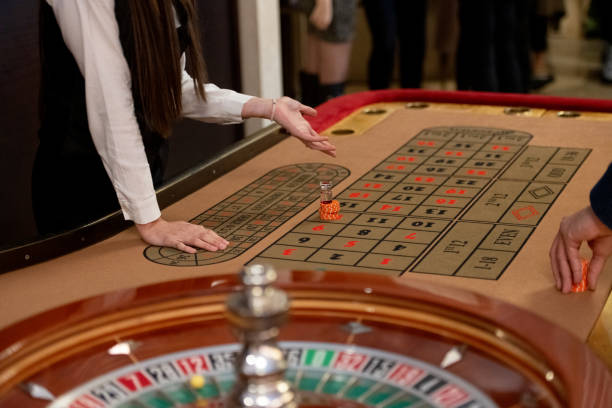
The use of social elements also enhances the addictive nature of casino games. Many modern platforms allow players to compete against each other or share their experiences on social media. This fosters a sense of community and competition that deepens engagement. Players may feel pressured to keep up with their peers, which can result in prolonged gaming sessions and increased expenditure. The combination of intrinsic and extrinsic rewards creates a powerful mechanism that entices players to repeatedly return to the gaming experience, further entrenching them in their habits.
The Impact of Game Design
The design of casino games plays a pivotal role in fostering addiction. Simple mechanics, such as easy-to-understand rules and straightforward user interfaces, allow players to jump right into the action without feeling overwhelmed. This accessibility is crucial for keeping players engaged, as they can quickly grasp the gameplay and focus on winning rather than figuring out how to play. Such designs encourage repeated interactions as players seek to improve their skills and strategies, making them more invested in the outcomes of their gameplay.
Moreover, the frequent reinforcement schedule that many games use ensures that players are constantly engaged. Unlike traditional forms of entertainment, where satisfaction might come after a longer time investment, casino games offer rapid feedback loops. Players can win or lose within seconds, which heightens the thrill and the desire to keep playing. This fast-paced nature caters to shorter attention spans, making it easy for players to lose themselves in the gameplay and stay engaged longer than initially intended.
Additionally, the emotional highs and lows experienced during gameplay can create a rollercoaster-like effect that players find exhilarating. The excitement of a near-win, combined with the despair of loss, can lead to a heightened emotional state that many players crave. These peaks and valleys of emotion contribute to a compelling gaming experience, where players feel alive and are increasingly willing to risk time and money for the chance to experience that rush. Every spin, hand, or roll can evoke similar emotions, creating a cycle of addiction that can be difficult to break.
The Influence of Technology
Technological advancements have transformed the landscape of casino gaming, making it easier than ever for players to access games anytime and anywhere. Mobile gaming applications and online casinos have gained massive popularity, allowing individuals to gamble from the comfort of their homes. This instant access creates an environment where players can indulge in their gambling tendencies without needing to visit a physical casino, effectively blurring the lines of moderation and encouraging compulsive behavior.

Furthermore, technology has enabled the incorporation of immersive experiences, such as virtual reality and augmented reality, into gaming. These advancements transport players into captivating environments, enhancing the escapism that casino games provide. Players can feel as though they are stepping into a luxurious casino, heightening the overall experience and making it even more alluring. This level of immersion can lead to prolonged gaming sessions as players lose track of reality and succumb to the thrill of gaming.
The integration of analytics and artificial intelligence in game development has also allowed for more personalized gaming experiences. Casinos can analyze player behaviors and preferences, tailoring games to enhance engagement. For example, customized bonuses and promotions can be offered to entice players back to the games they enjoy the most. This targeted approach creates a more addictive experience, as players feel that the games are designed specifically for them, increasing their chances of returning to play more frequently.
Responsible Gaming and Resources
While many people enjoy the thrill of casino games, it is essential to recognize the potential risks of addiction. Understanding what makes these games addictive can help individuals approach gambling more responsibly. Many casinos and online platforms now promote responsible gaming initiatives, providing tools for players to monitor their spending and playing time. Setting limits on deposits, losses, and session durations can empower players to maintain control over their gambling habits, helping to mitigate the risks associated with gaming.
Moreover, various organizations offer support for individuals struggling with gambling addiction. Resources such as helplines, counseling, and support groups are available to help individuals recognize their behaviors and seek help when needed. Awareness campaigns play a vital role in educating both players and their families about the signs of problem gambling and the steps that can be taken to prevent it. Encouraging open discussions about gambling can contribute to a healthier gaming culture where individuals feel safe to seek help.
Those interested in gambling should prioritize their well-being by engaging with games for entertainment rather than viewing them as a means to make money. Practicing moderation and being aware of the addictive elements of casino games can lead to a more enjoyable experience. Players who recognize their limits and seek help when necessary can enjoy the excitement of gaming while mitigating the risks associated with addiction, ultimately fostering a more balanced relationship with gaming.
